Assassin’s Creed: Veil of Shadows

Assassin’s Creed Shadows has finally arrived on
the Nintendo Switch 2, and I must admit that my initial expectations were low. I anticipated a port with severe compromises, long load times, and a scaled-back world to fit on the hybrid hardware. However, the first surprise came quickly: Shadows performs on the console better than I’d expected, despite offering a vast, detailed, and complex world.
The launch raised a lot of questions within the community, especially since the PS5, Xbox Series, and PC versions had already set a high technical benchmark. Here, the central question was: can Switch 2 really handle such an ambitious Assassin’s Creed without losing its essence? The answer is more intriguing than it initially seems.
What is Assassin’s Creed Shadows?
Shadows features Yasuke and Naoe, two complementary protagonists embodying opposite styles. Yasuke represents brute force, samurai discipline, and direct combat, while Naoe epitomizes elegance, stealth, and shinobi precision. Both share a goal driven by revenge and a battle against a network of conspiracies operating in feudal Japan.
The story capitalizes on a fascinating period in Japan’s history, showcasing political tensions, social clashes, and a territory divided by escalating conflicts. It combines exploration, tactical combat, deep infiltration, and an open world filled with diverse regions. Additionally, it includes a hideout system featuring upgrades, recruits, and side missions.
The initial pacing is effective. The narrative quickly establishes the philosophical clash between the heroes, and the historical setting feels well-crafted. I appreciated how it introduces conflicts without overwhelming with excessive information.
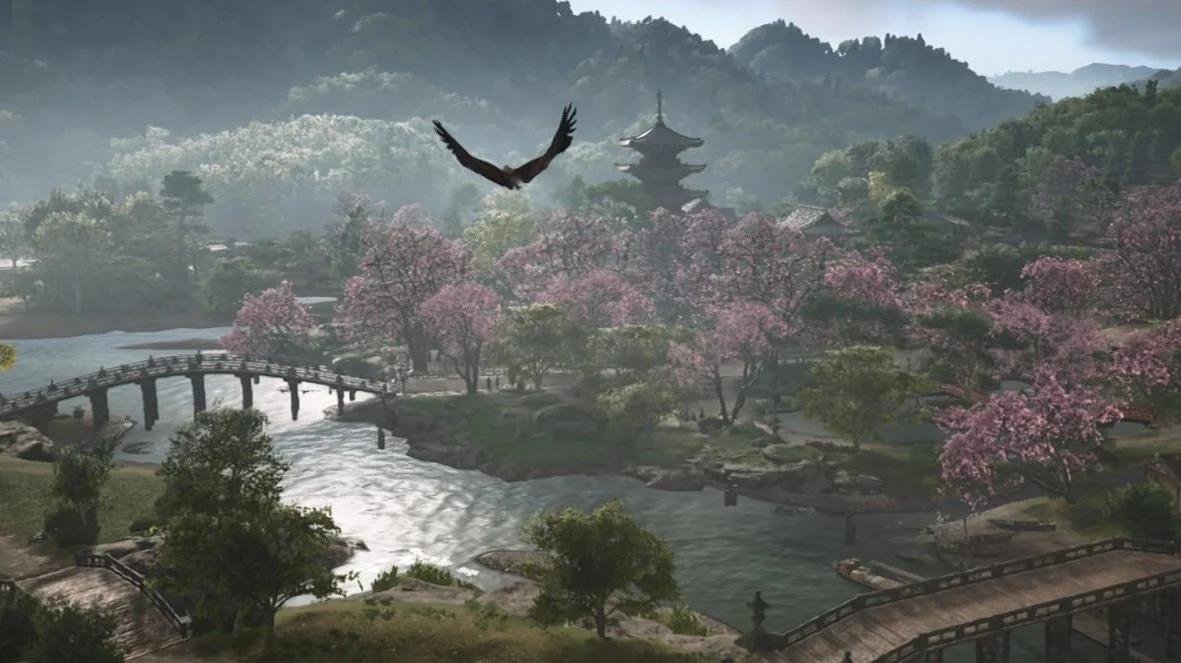
Two ways to experience Japan: stealth or brute force
The Yasuke–Naoe duality defines every mission. Yasuke turns any encounter into a small quake. His heavy blows break defenses, shatter armor, and even allow me to dismember enemies with strong hits. Conversely, Naoe transforms every scenario into a puzzle of shadows, rooftops, and creative infiltration routes. Highly creative.
The pace varies entirely depending on the character. With Naoe, I generally felt freer. His vertical mobility, stealth, and tools enable resolving situations without leaving a trace, especially when trying to avoid being surrounded by a band of enemies. Yasuke offers a dominating presence that rewards measured aggression, with his combat feeling powerful and cathartic to relieve stress at the end of the day.
Moreover, the day/night cycle heavily influences gameplay. Shadows and lighting affect surveillance patterns. Some areas are safer at night, prompting interesting decisions to add exploration variety.
Finally, allies, recruitment, and hideout management contribute as well. They don’t transform the game entirely but add a personal touch to progression.
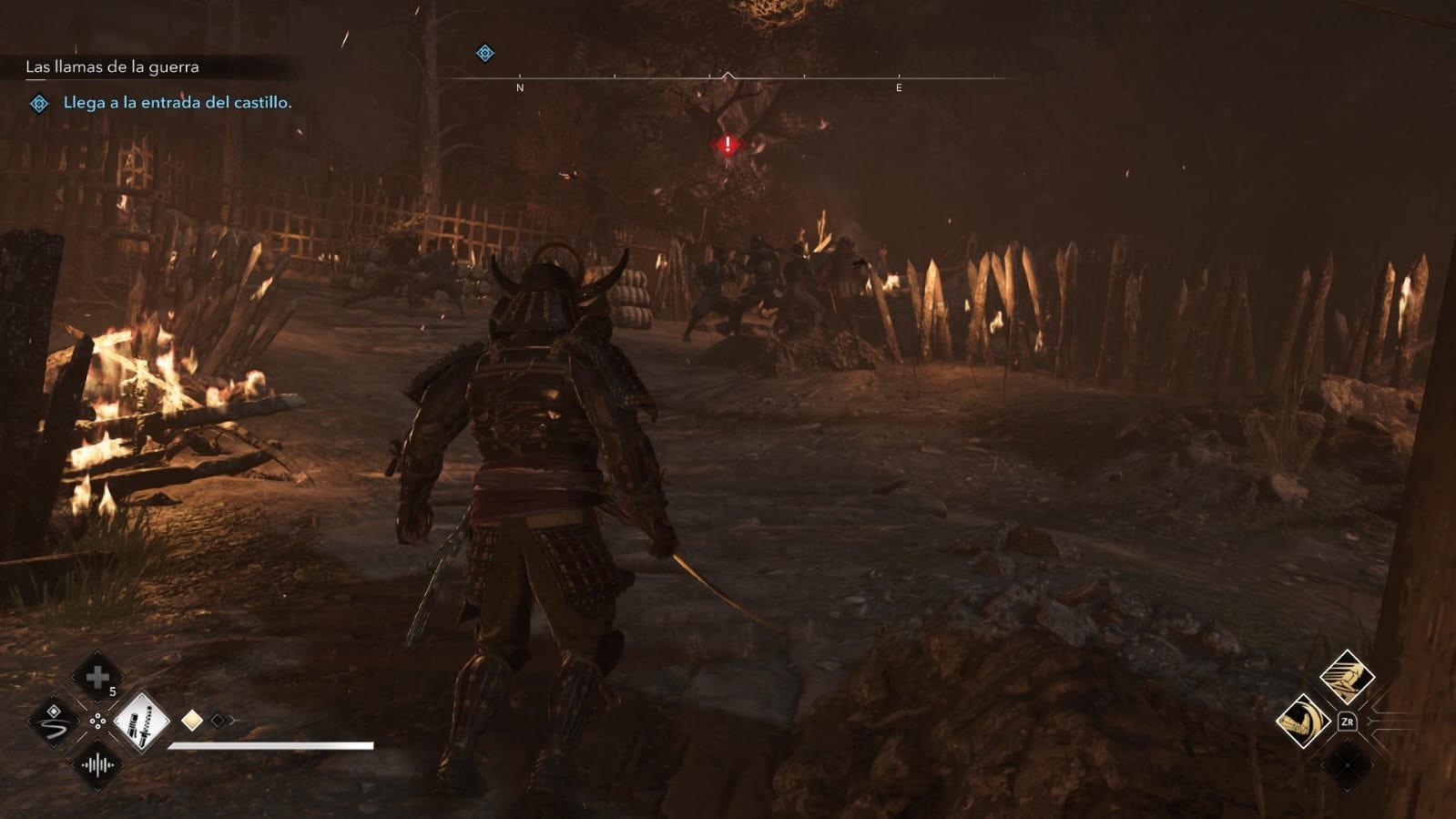
The magic of the open world and its cultural details
Japan is the true third protagonist. Its landscapes hold a special charm. Villages change pace according to the weather, and NPCs adjust activities based on the time of day. Temples, forests, villages, and rice fields create a convincing atmosphere.
The changing seasons give each area a unique look. Storms create tension, and the natural environments react with impressive detail. Ambient sounds enhance immersion; I heard cicadas, footsteps on wet wood, and wind rustling through bamboo—a true audiovisual delight. A positive point is that the Photo Mode is available, allowing me to freely adjust the camera, find enticing landscapes, and enhance them with filters, time, and weather to capture impressive moments.
How does the game run on Nintendo Switch 2?
Here’s what’s crucial for this version. Assassin’s Creed Shadows comes to Switch 2 without any content cuts. It’s basically the same game seen on PS5, Xbox Series, and PC, including all missions, maps, systems, and activities from the base game. The downside is that the physical version requires a download due to the controversial Game Key-Cards.
Loading times are acceptable but could be faster. The general performance targets 30 FPS, but there are dips in populated areas or during rain. They don’t ruin the game, but are noticeable during intense moments.
When there are no significant frame drops, the game appears surprisingly solid for a map this large on a hybrid console. Open landscapes and some lit scenes perform better than expected. However, there are moments where the visual reduction is evident, such as in water reflections and character hair.
Furthermore, visual issues include frequent pop-in, and textures are generally weaker, especially floors and complex surfaces. The worst part is that I experienced some crashes requiring a restart from the last checkpoint. It’s infrequent, but it should be noted that the game needs additional patches for greater stability, which have been promised by the developers for a near future release.
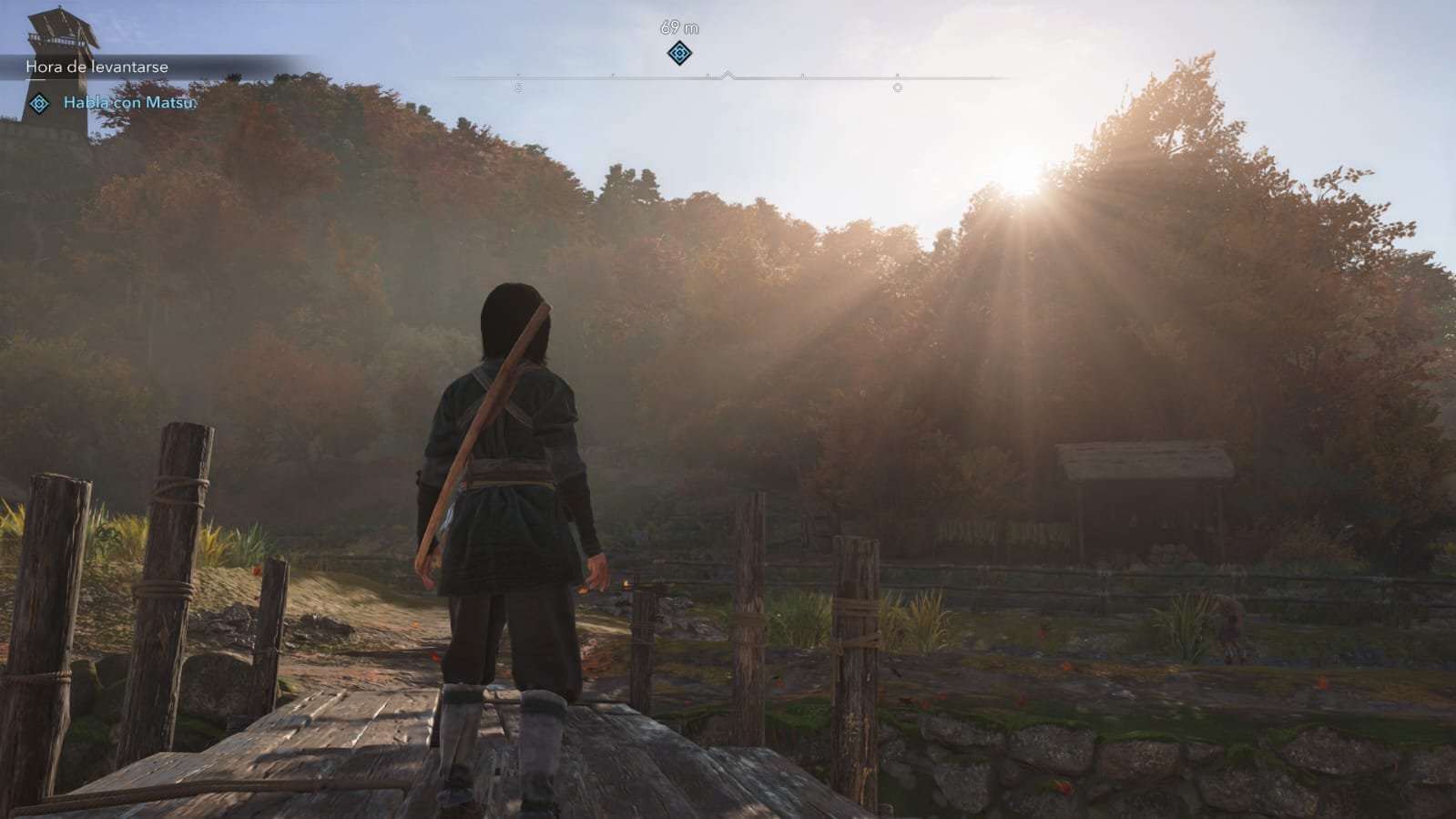
Handheld vs Dock: Two distinct experiences
Assassin’s Creed Shadows offers different experiences depending on the mode. In docked mode, the game looks significantly better, with improved sharpness, more vibrant colors, and good image stability.
In handheld mode, the lowered resolution makes the image look blurred. Shadows lose depth, and some details become fuzzy. The FPS performance is similar, but the lower resolution stands out more.
On the other hand, the HD rumble is one of the best features of this port, enhancing immersion during combat and movement, such as when sneaking through bushes. The touch functionality on the console’s screen also exists, though it’s only useful for menus, offering utility but limited.
Personally, I mostly enjoyed and utilized the docked mode to achieve a more balanced and comfortable experience.
The Nintendo Switch 2 version includes all the original game’s content: the complete campaign and its various options. Unfortunately, the DLC “The Claws of Awaji” will be arriving later.
A piece of good news is that Ubisoft included the New Game+ option from the start and even offers cross-save with Ubisoft Connect. This allows you to transfer your progress across platforms and take your initial save from other systems wherever you go.
Lastly, Animus Hub also appears in this version of the game, although it contributes very little since other entries in the franchise are not available on the new hybrid console.
Are the technical sacrifices undeniable, and do they affect the experience?
Technical sacrifices in this version of Assassin’s Creed Shadows are apparent at a glance. There are noticeable performance dips in cities, pop-in occurs in open roads and some towns, and textures, hair, foliage, and reflections show significant visible reductions.
Additionally, lighting suffered reductions. There are occasional crashes, loading times could be shorter, and fast travel across the map should indeed be fast. These situations slightly impact the overall fluidity of the game.
Even so, many cuts were logical in such an ambitious port. The good thing is that Shadows retains its essence. It’s not perfect but not broken either. The overall balance exceeded my expectations, and I’m sure that future updates will address many details.
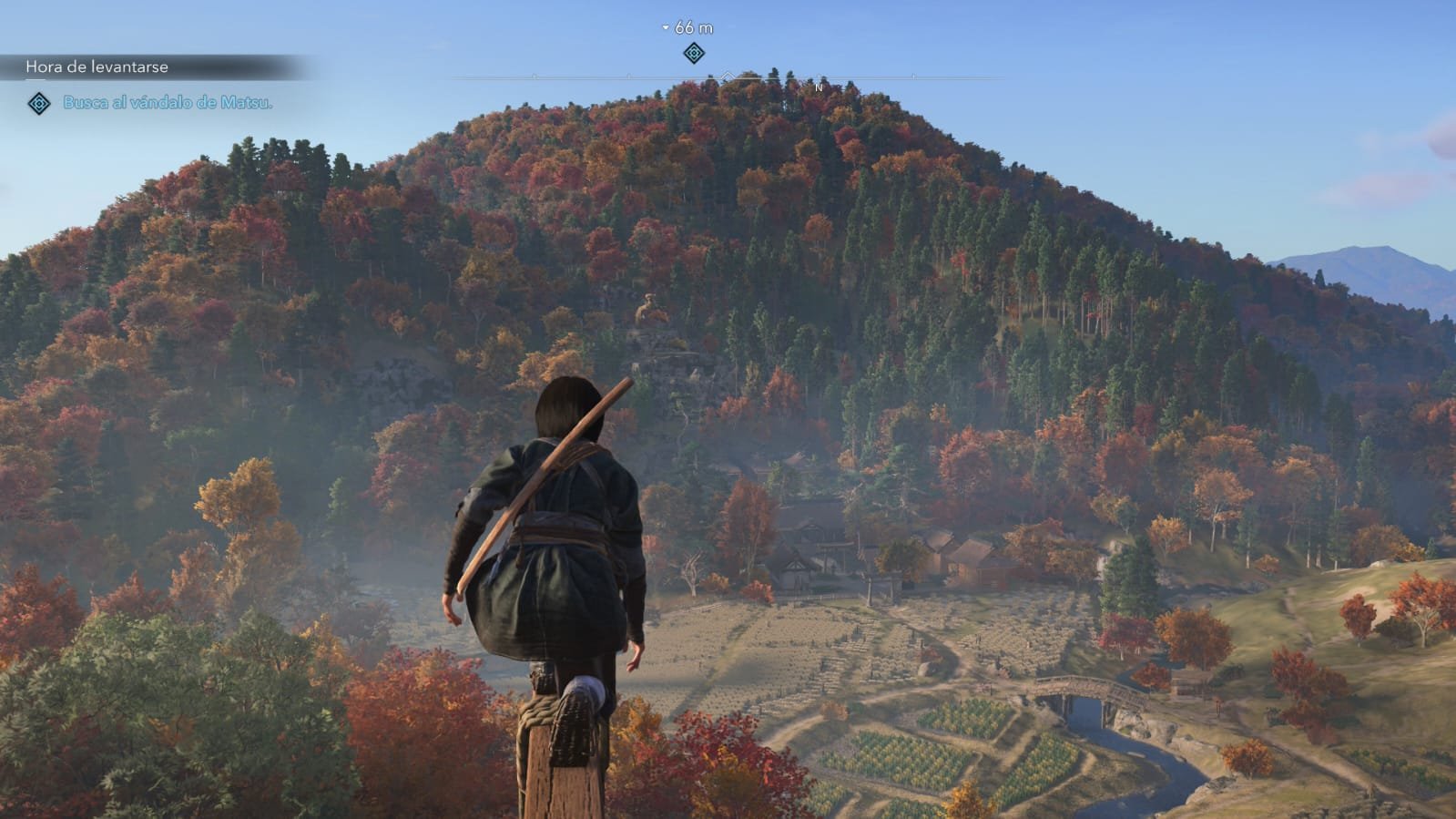
What is most surprising about Assassin’s Creed Shadows for Switch 2?
Truth be told, many aspects of the port are surprising. Maintaining the entire map with its original density is impressive. Even the number of NPCs, activities, and routes remains the same as in other versions.
The animations are intact. The AI maintains its main routines, and missions are played as originally designed. The entire campaign is available without significant cuts.
If that weren’t enough, the Japanese setting still looks spectacular despite the visual sacrifices. Compared to other platforms, the Nintendo Switch 2 version is indeed the most compromised experience but also the most surprising when considering the hardware and the option to take this beloved installment anywhere.
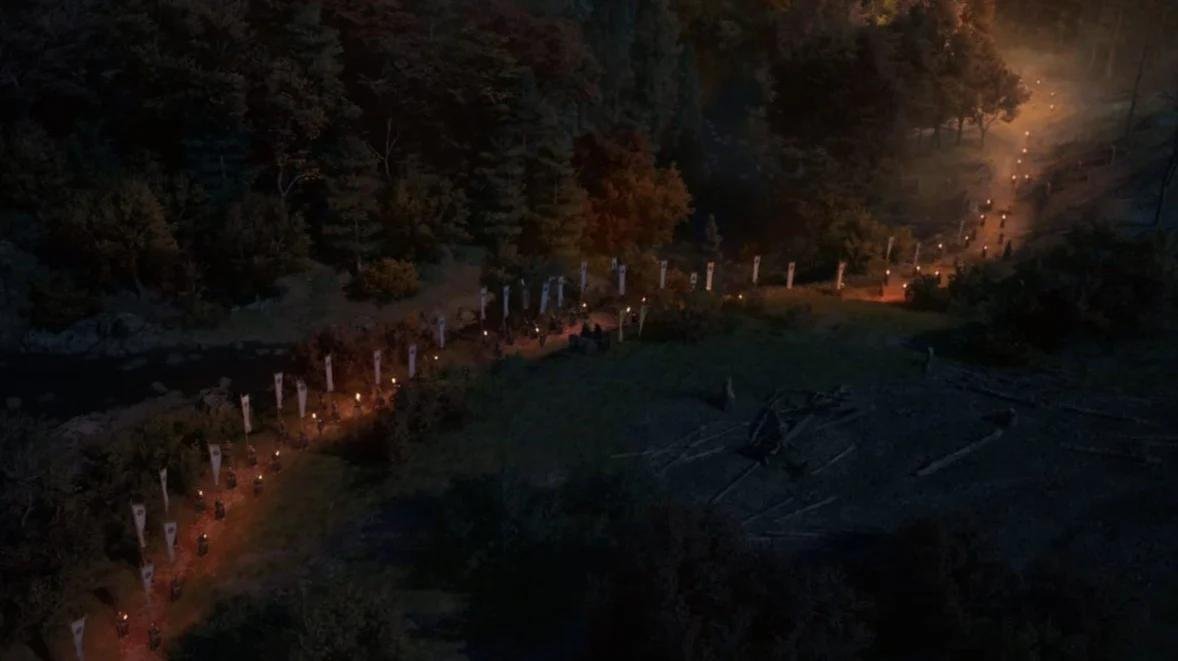
Assassin’s Creed Shadows on Switch 2 is a surprise with limits
Assassin’s Creed Shadows arrives on Switch 2 with clear sacrifices but also with a surprisingly solid technical base. It is inferior to other versions with frame drops, weak textures, and occasional crashes, yet maintains stable gameplay overall.
If Nintendo Switch 2 is your only console, this version satisfies; if you’ve already played it on another platform and wish to enjoy your game on the go, it also meets expectations. Therefore, I recommend seeing how Assassin’s Creed Shadows adapts to the new hybrid console with unexpected and surprising dignity.
In case you missed it: Check out the release schedule for Nintendo Switch 1 and 2 for the remainder of 2025 and into 2026
Will you play Shadows on Switch 2 or prefer another version? Do you think Nintendo should receive more ports of this scale? Share your thoughts in the comments.
Stay updated at LEVEL UP.



Post Comment