Dying Light: The Resurgence
Techland revisits the zombie extermination market with Dying Light: The Beast, bringing back Kyle Crane for a brutal survival adventure set in the zombie-infested forests of Castor Woods.
Initially planned as a DLC for Dying Light 2, this title evolved into a standalone game, reinstating the series’ award-winning parkour system, along with its brutal melee combat and survival horror elements. The newly introduced “Beast Mode” aims to recapture the magic that captivated us a decade ago.
After diving into Castor Woods and surviving this nightmare, we have much to share. Dying Light: The Beast delivers a first-person survival experience where its distinctive gameplay shines. The incredible parkour system is fluid and exhilarating, paired with a visceral melee combat system.
The Beast builds upon the strengths of its predecessors, enhancing the movement system that allows you to soar over the rooftops and alleys of Castor Wood, nimbly leap obstacles, and weave through tight spaces. It’s one of the best systems we’ve experienced, intuitive and thrilling throughout. Every jump carries a sense of risk and reward, especially when navigating hordes of ravenous zombies reaching out to stop you.
The dynamic changes drastically when you acquire the retractable hook; it elevates the mechanical depth, with parkour reaching new heights. It often feels like being the iconic web-slinging hero when swinging through stone arches and bridges.
Combat is a standout feature, immensely satisfying; each blow from a baseball bat, machete, or improvised weapon is palpable and visible as zombies lose chunks of flesh on impact. The only word to describe it is BRUTAL. Additionally, special finisher moves akin to Glory Kills from games like Doom Eternal add to the savage and beastly violence.
Survival also means crafting various modifications for combat assistance, including elemental weapons with effects like fire and electricity, adding variety to encounters and the gameplay loop. This return to a simpler combat system assures that every fight feels desperate, evoking the survival tone of the original game, compared to Dying Light 2.
Beast Mode: A Bloody Power Fantasy
The “Beast Mode,” the title feature of this installment, allows Kyle Crane to temporarily transform into a monster. In this mode, you gain superhuman strength and endurance, enabling massive jumps and devastating punches. Destroying zombies as if they were rag dolls never gets old or boring; we love it.
However, despite “Beast Mode” seeming like a sure victory button, its activation usually coincides with moments of peril, such as when you’re surrounded by zombies and near death. In these instances, “Beast Mode” feels like a natural survival response activated at the right moment when you need it most.
Castor Woods: An Impressive and Compact Open World
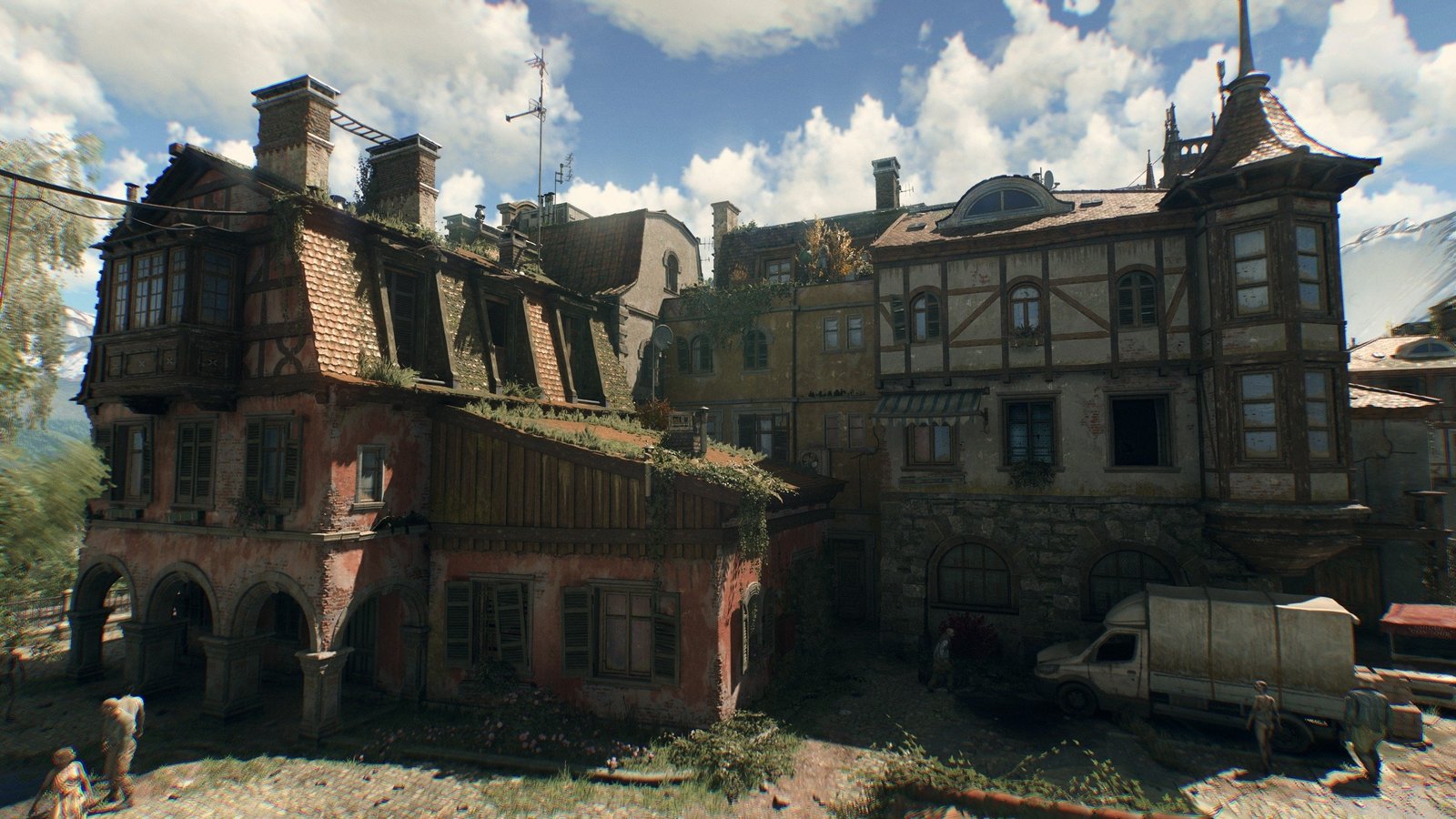
This time, the setting is Castor Woods, a fictional location inspired by remote Swiss alpine villages. It’s a visual triumph. Unlike the expansive urban landscapes of Harran and Villedor, this rural nature reserve combines picturesque towns, dense forests, and industrial areas in an appealing but compact open world.
The map is smaller than usual, but what it lost in size, it gained in density. Castor Woods enhances exploration with numerous obstacles integrated into the parkour system. The survival experience benefits from numerous buildings with explorable interiors for looting and crafting tool and weapon modifications. Additionally, there are dynamic events sparking curiosity.
The game’s lighting and weather systems create impressive moments, like sunsets casting golden hues over the landscape or spooky nocturnal incursions lit by flashlights, with Volatiles ruling the night. The experience feels more focused and dense, making Castor Woods a memorable playground with its own personality.
The Return of Kyle Crane and a Solid Supporting Cast
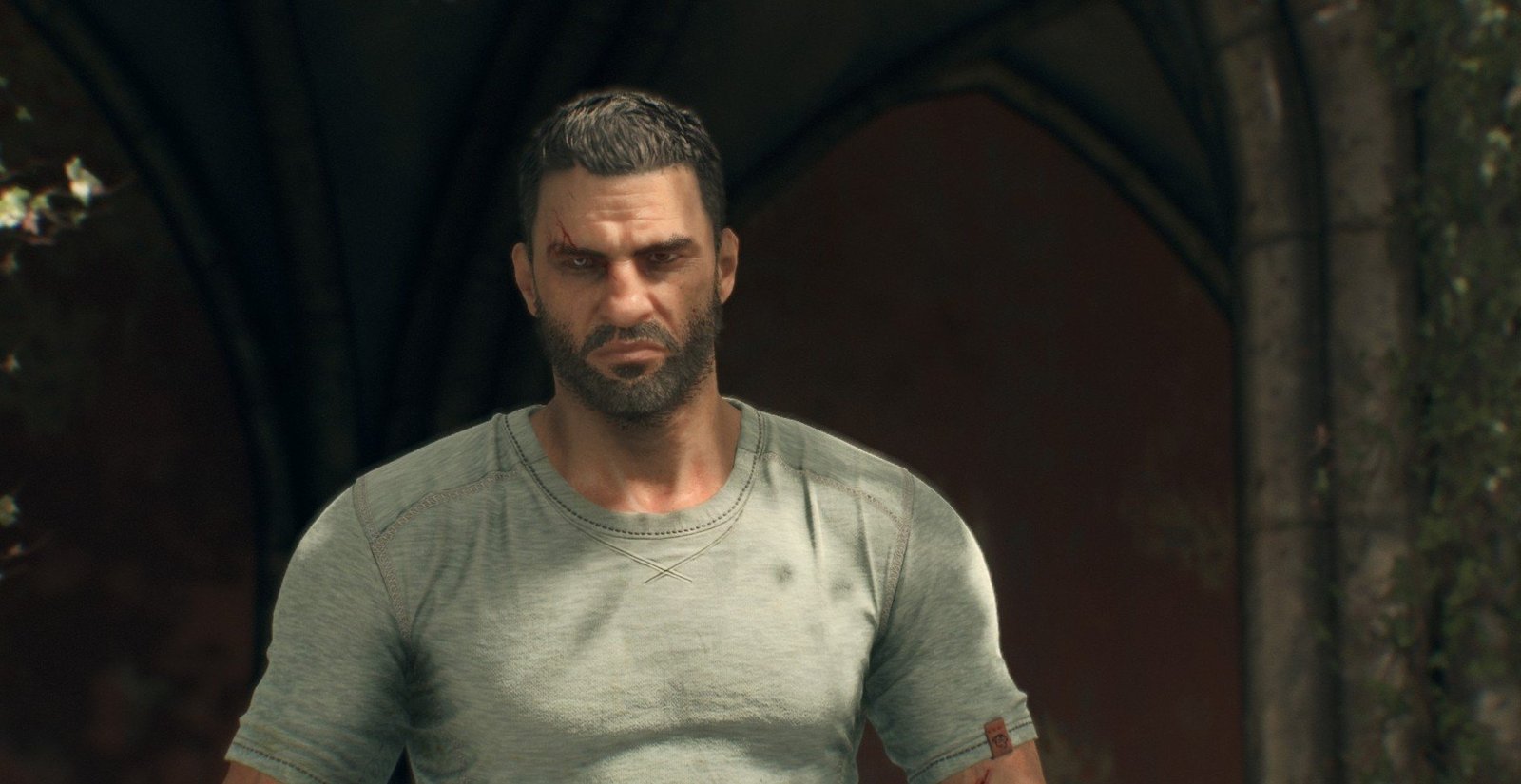
The return of Kyle Crane, voiced by Roger Craig Smith, is a big draw for fans. After the ambiguous ending of Dying Light: The Following, he reappears, hardened by battle; it’s a nostalgic and welcome reunion, especially after the disappointment of Dying Light 2.
Crane spent years in captivity as a test subject and seeks revenge now. His anger and frustration are evident, but he remains human, as shown in the many side missions depicting the harrowing survival stories of Castor Woods’ inhabitants. Themes typical of zombie horror literature are explored, such as survival of the fittest and moral dilemmas, offering choices like granting a survivor mercy with a quick death or a long agony.
The supporting cast, including characters like Olivia, the Sheriff, and Jacob, add depth to the narrative. This time, it’s simple and uncomplicated. Cinematic scenes stand out due to good characterizations. Also, the excellent decision to abandon the forced first-person camera allows us to see Kyle interacting with the cast, which we thought was a great move.
The atmospheric soundtrack, composed by Olivier Derivière, complements the experience, amplifying the horror elements and solitary ambiance with oppressive, atmospheric motifs reminiscent of films like 28 Days Later and series like The Walking Dead.
The Dreaded Lack of Innovation
Despite everything, there are aspects we weren’t entirely fond of, possibly related to the development process of the second game. While Dying Light: The Beast refines the series’ traditional mechanics, its only sin might be a lack of ambition and innovation.
The gameplay loop (parkour, combat, resource gathering, and story) remains largely unchanged from previous entries, with Beast Mode as the only new feature. In many ways, it feels like a step back, as if Dying Light: The Beast is actually Dying Light 1.5.
We could argue that fights against Chimeras are novel, yet they tend to lack mechanical complexity despite being a good narrative concept.
But don’t let this lack of fresh ideas divert your attention from what really matters: Dying Light: The Beast is an excellent installment, delivering an outstanding execution of parkour, combat, and resource collection, cohesively creating one of the year’s best experiences.
The RPG Progression System Dilemma
One of the most noticeable issues in Dying Light: The Beast is its lackluster RPG progression. While it’s true that Kyle Crane learns skills for exploration and combating zombies — even enhancing his Beast Mode — the issue is that enemies grow stronger alongside you.
It’s a double-edged sword. On the one hand, we like it because the game remains challenging: whether you’re at level 1 or 15, zombies always represent a threat, especially when you’re surrounded with seemingly no escape, escalating tension further during nighttime volatile chases. Kyle’s sobs while fleeing convey the real danger Volatiles pose.
However, the RPG elements, like damage per second or critical damage percentages, seem futile, barely representing any significant growth; Dying Light: The Beast doesn’t embody incremental power fantasy but instead thrives on other systems.
Paradoxically, this flaw enhances the game’s immersion and reinforces Kyle Crane’s identity as a survivor in a relentless world reflecting Castor Woods’ harsh reality. As we said, a double-edged sword.
Finally, we must mention the open-world activities and mission design. Despite dynamic events, mission designs suffer from repetitiveness and monotony, even failing to capitalize on Crane’s verticality. While side missions offer narrative variety, the main storyline is simple, often treading familiar ground seen in the first installment.
A Successful and Bloody Return Home
Dying Light: The Beast marks a triumphant return to Techland’s winning formula. It’s an excellent zombie survival game packed with rapid action, visceral combat, and survival moments.
Polished and exciting, it enhances the series’ core strengths: fluid parkour, brutal combat, and a hauntingly beautiful open world.
Kyle Crane’s return is a tremendous success and a love letter to fans of the original Dying Light. However, its lack of innovation, predictable story, and repetitive missions hinder it from achieving the revolutionary heights the series deserves.
The Beast is a bloody, satisfying return, feeling like the true sequel to the first game, offering exactly what fans wanted: more Crane, more gore, and more parkour. Highly recommended.





Post Comment