Veins of Destiny: A New Dawn
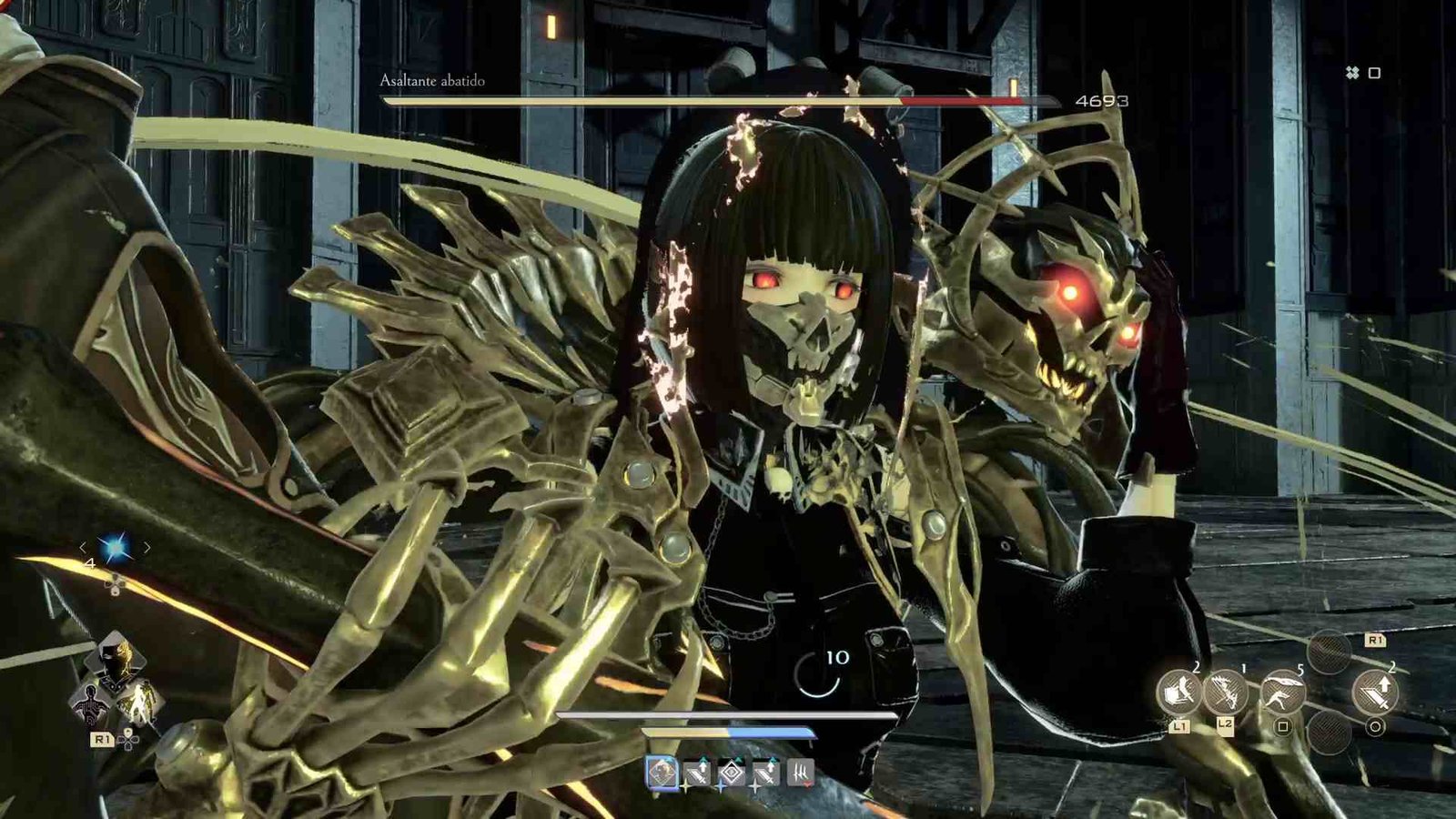
CODE VEIN II is the direct successor to Bandai Namco’s experimental venture to blend souls-like elements, the expertise of Hiroshi Yoshimura — the mind behind God Eater — and anime influences entangled in a powerful gothic atmosphere. The original result was promising but fell short for fans of Hidetaka Miyazaki. This time, CODE VEIN II showcases its battle-worn scars and introduces significant improvements and changes to address past shortcomings.
After seven years of anticipation, CODE VEIN II arrives anew, inheriting its DNA within a fresh narrative imbued with pain and devastation. Bandai Namco is dedicated to rectifying the first game’s issues, offering a refreshed start. Following countless hours of gameplay and delving into the eerie lands of CODE VEIN II, my experience was fulfilling, finding joy even in repeatedly faced defeats by the same boss. Here’s my detailed review.
Tragedies and Time Travels
One of Code Vein‘s primary draws was its direct inspiration from works like Tokyo Ghoul, featuring characters grappling with tragic origins and their intrinsic nature. The “vampiric” and post-apocalyptic theme persists to narrate a new story where our protagonist holds the key to altering a world in peril. The legend speaks of humanity’s decimation during the catastrophic Rising, where many were turned into bloodthirsty creatures. Heroes sacrificed themselves to save the shattered world. Our mission involves traveling back in time with Lou, a character capable of opening portals linked to these heroes.
Despite falling into clichés and feigning complexity, the storyline differentiates itself from traditional souls-like games. Though the narrative is linear with unexpected twists, it serves as a beacon, guiding us from start to end through the heroes’ memories and origins. We have a clear context for where to begin and aim. The game structure involves traveling back, meeting heroes, aiding them, and facing formidable bosses in the present. The intent is to establish empathy with characters, then abruptly cut ties for plot twists. While confusing, it provides context for confronting former allies and linking their ideals, adding intrigue.
Let’s move on to exploration, a strong aspect of this installment. The game provides clear objectives constantly. Although linear, it features expansive maps for discovering items, weapons, upgrades, and abilities. Additionally, fast travel options and a motorcycle facilitate movement across present and past maps. At times, I stumbled upon dungeons to face bosses, earn spec for experience, and enhance my abilities, making the journey easier with new equipment. I appreciated having to strategize for rewards, despite limited jumping and movement options.
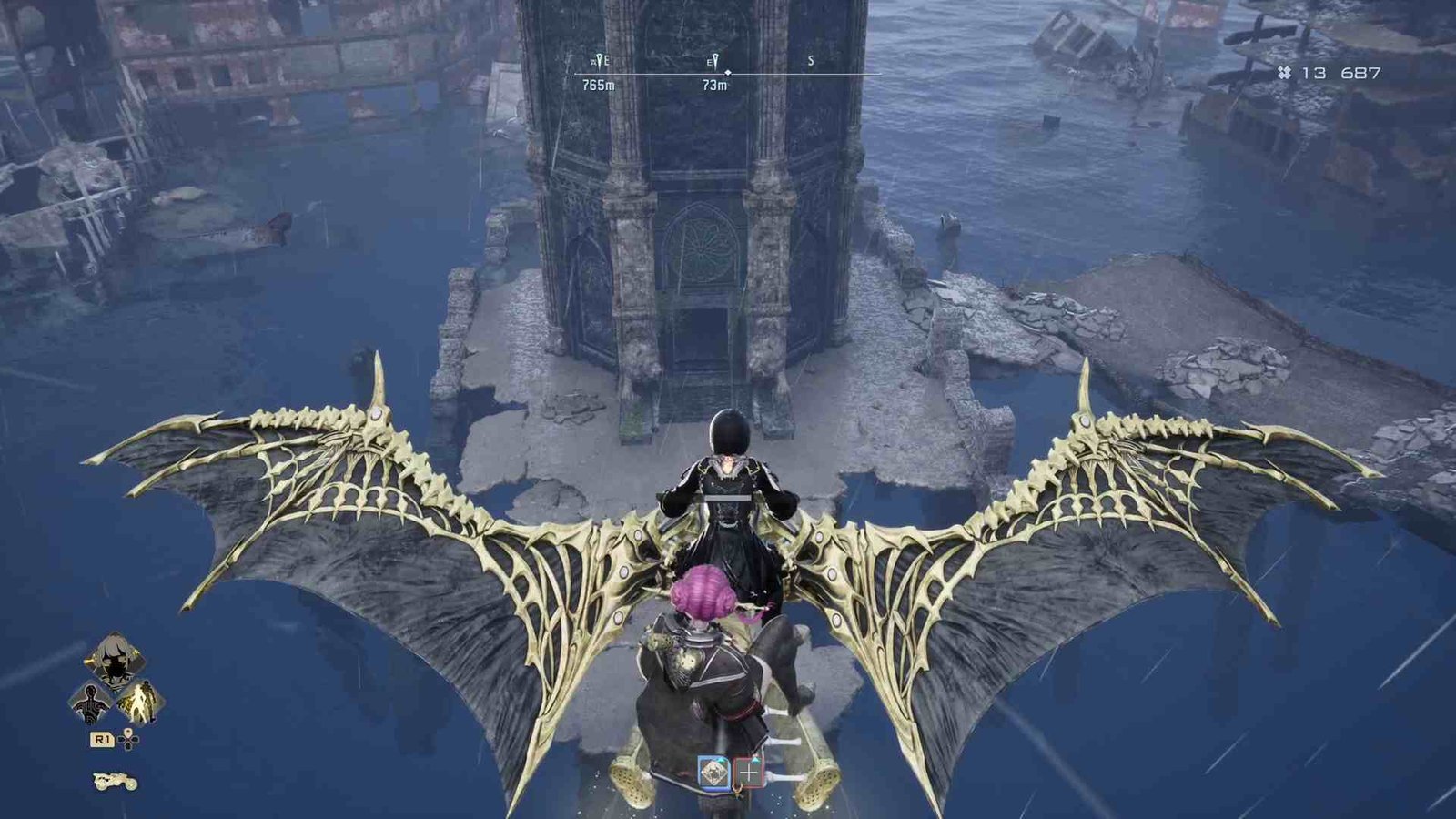
Regarding the maps, I appreciate the exploration freedom, though invisible barriers, boundaries, or blocked paths occasionally disrupt the exploration sense. Despite these limitations, it reminds us the maps are delimited rather than open worlds. Another aspect is how CODE VEIN II illustrates a duality in its world via time travel. While ruins or reconstructed settings vary accordingly, these changes aren’t overwhelmingly significant.
Speaking of main objectives, here are a few notes. You can always check available main or side quests. Not all are immediately completable, but they indicate directions or offer hints through Lou, our guide. This makes CODE VEIN II suitable for souls-like newcomers, ensuring constant progression without hours of wandering. However, sometimes directions are misleading, like identifying a tunnel blocked by rocks. Though I resolved such issues eventually, clearer guidance would save time.
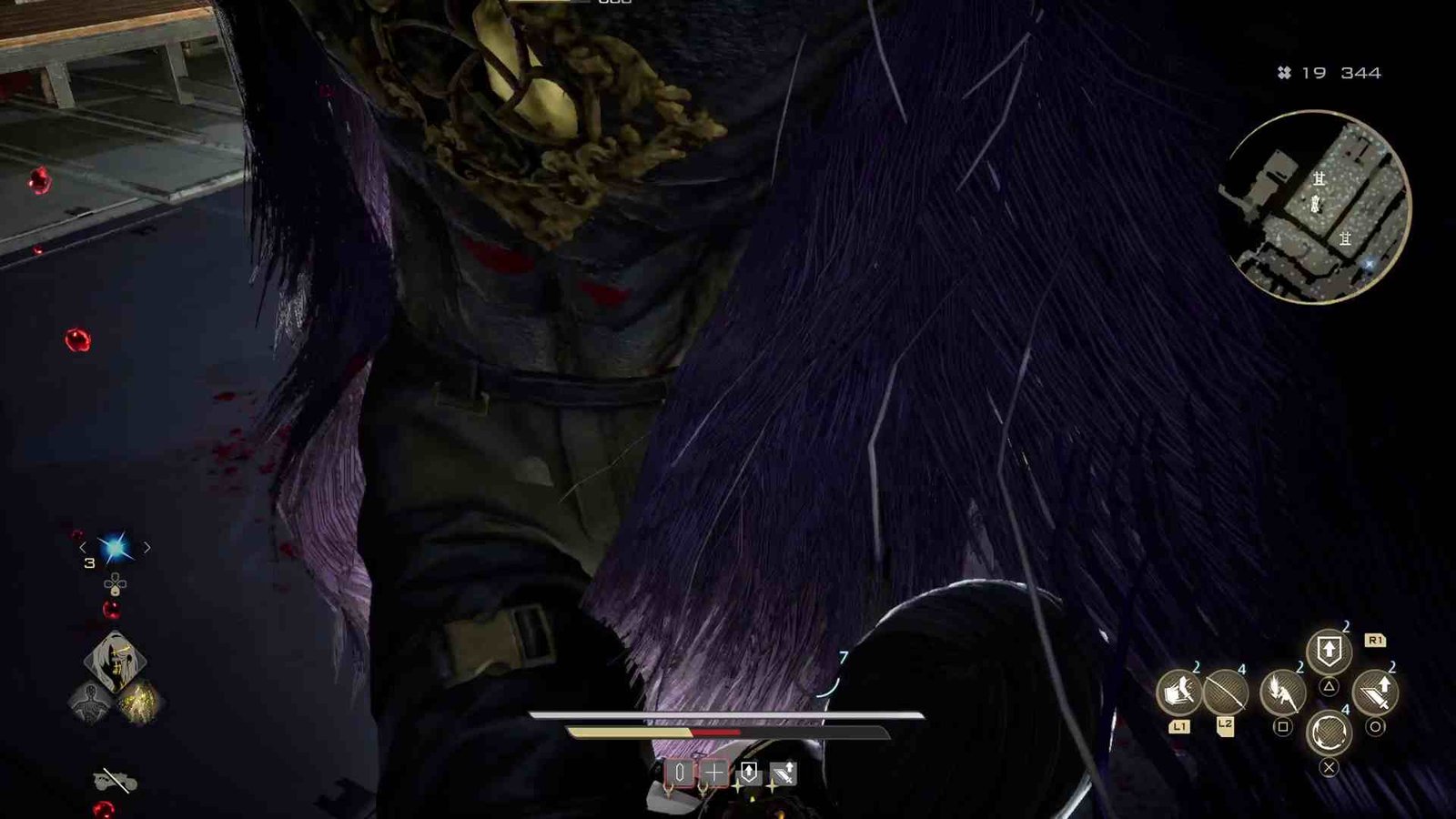
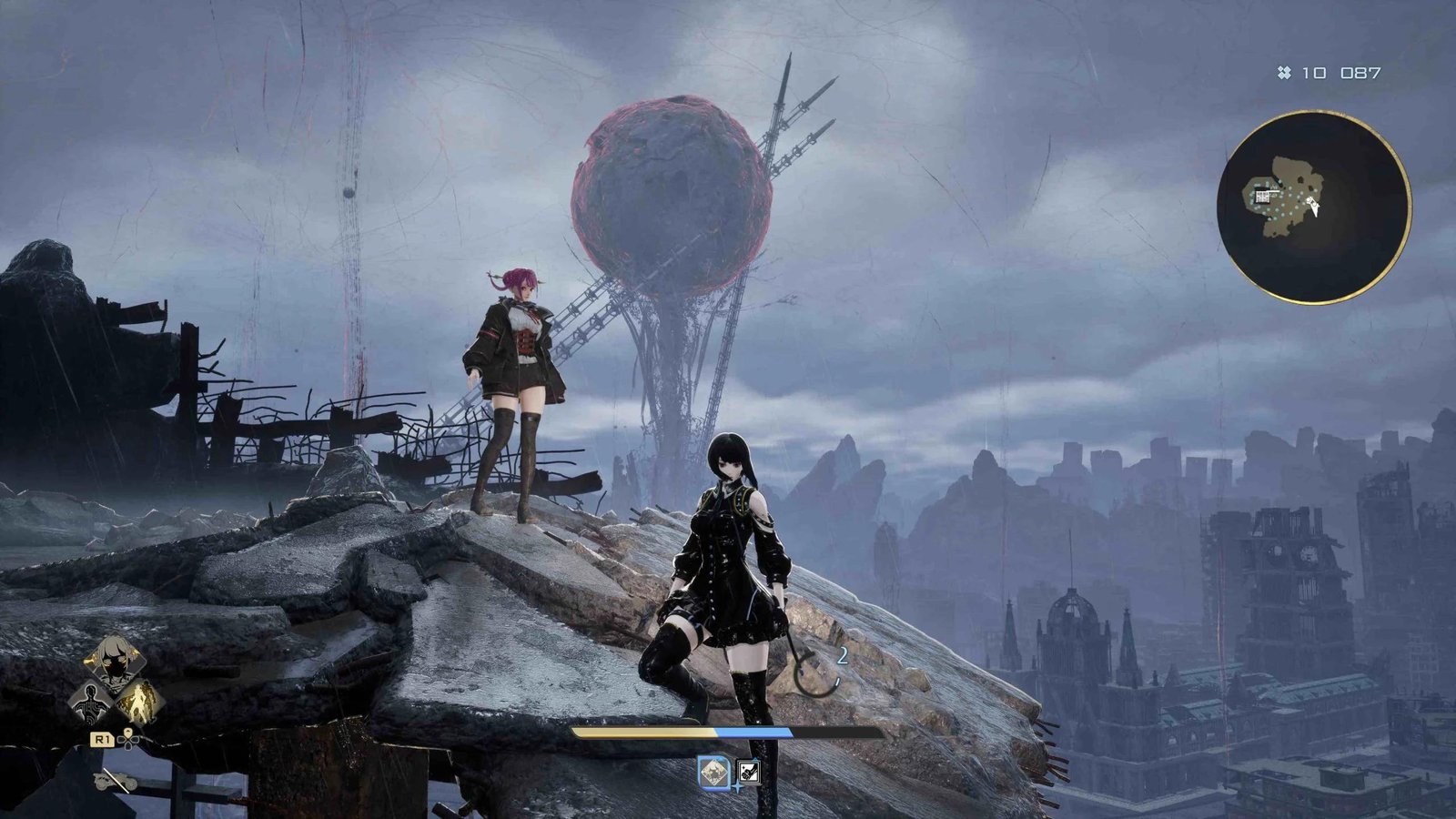
Additionally, dungeons and enclosed areas within main missions provoke claustrophobia with narrow corridors and enemy clusters. Although this aims to intensify tension by concentrating strong adversaries in confined spaces, it sometimes feels repetitive or frustrating due to unusual camera angles or restricted perspectives. Here’s an example of such a situation.
Become a Stylish Hero
Bandai Namco proudly boasts its character creation system, improving upon the original and adding more options. Clothing layers and precise adjustments enhance customization, satisfying after committing some time. Customization reflects on character equipment during combat, starting with primary weapons, forms, and cages.
Players choose from an array of swords, halberds, bayonets, and other weapons, with upgrade options for increased damage or abilities like new attacks, attack or defense boosts, or elemental spells. Negative effects such as paralysis or poison can also be added.
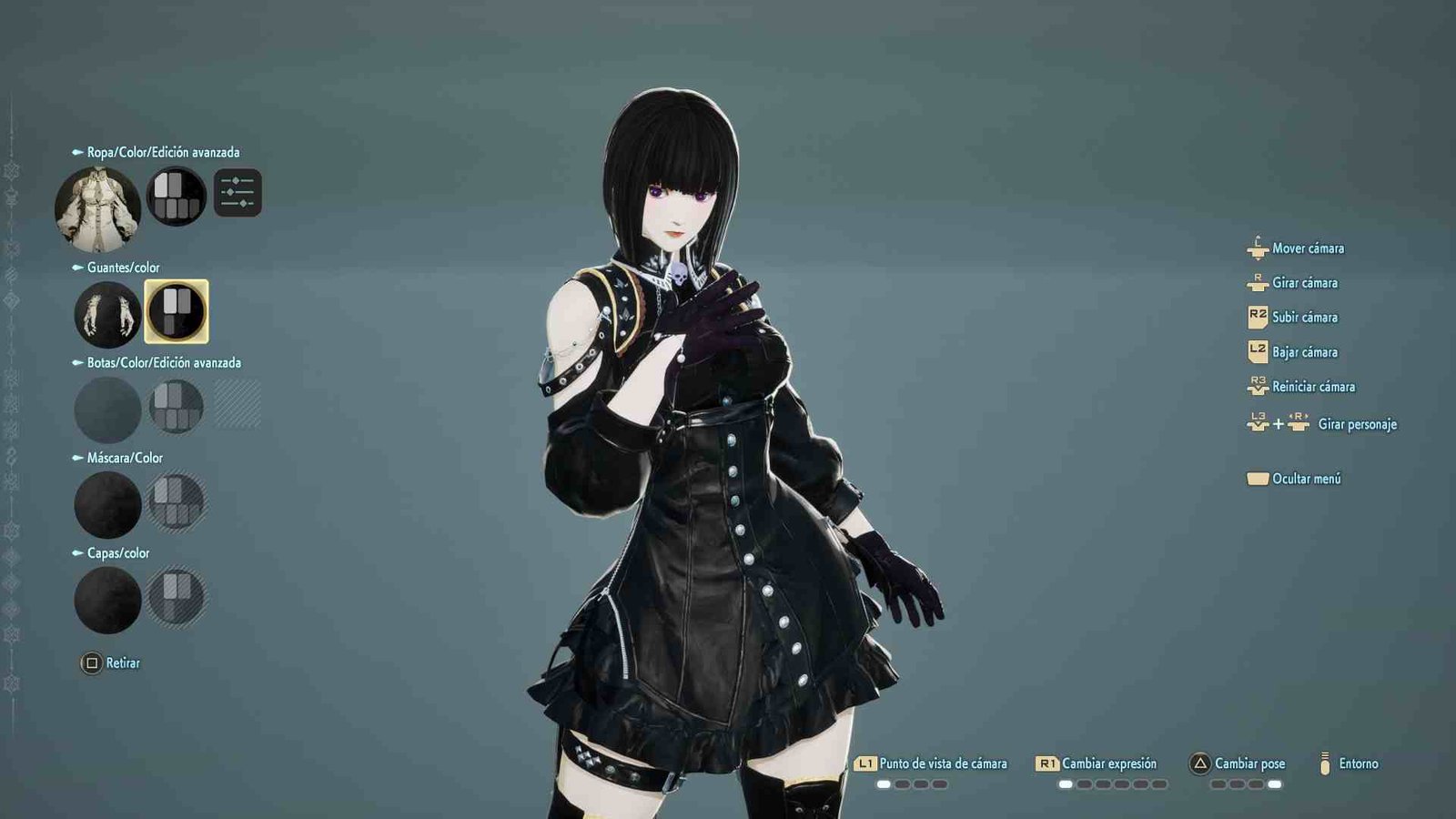
Besides weapons, forms provide special tools with varying properties, like ranged attacks or area damage. Defensive options include shields, parries, dodges, and other techniques, crucial in some boss confrontations. Changing tactics, like opting for parry or shield, can ease challenging situations.
Cages are finishing moves generating Icor, CODE VEIN II‘s skill points, with distinct attack styles and special finishes. While not vital for victory, they’re handy in dire situations.
Concerning Blood Codes, they serve as class-like enhancements increasing character parameters. Rewards for secondary character creation or task completion, Blood Codes prioritize statistics-impactful abilities but could benefit from distinct class mechanics, enhancing preparation options.
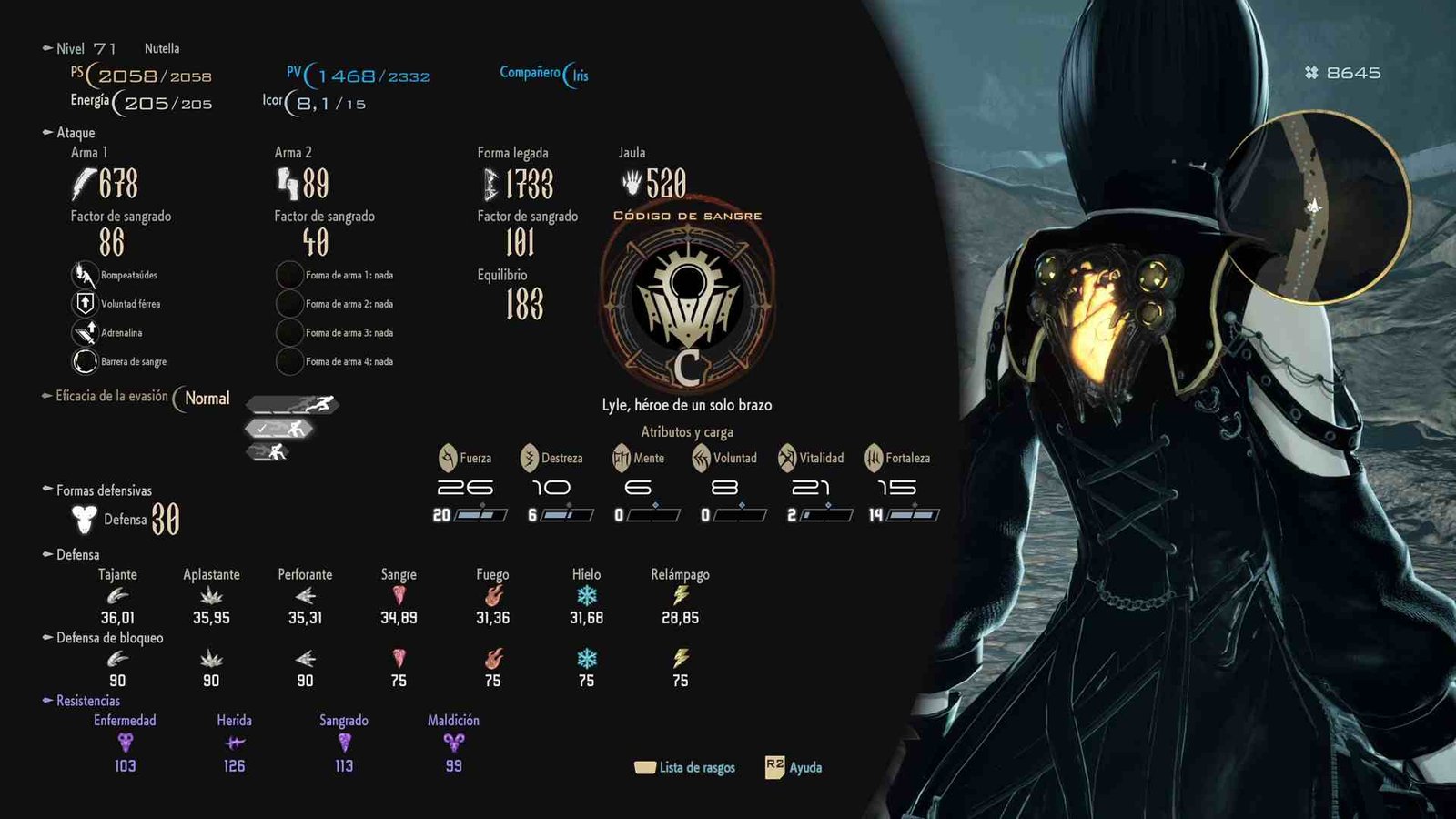
These upgrades alter gameplay differently, enabling players to optimize agility over sheer weight. With CODE VEIN II‘s user-friendly approach, worrying over numerous parameters may seem daunting. Focusing on essential stats like health, Icor, or physical damage helps avoid stress.
Lastly, companions remain a staple, providing support and potentially rescuing players. AI works commendably during battles, though companion skills should be considered. Some distract enemies, assist in healing or boost defense and attack, providing ample tactical choices. Should companions become cumbersome, players may assimilate them for additional power.
Suffering is Inevitable
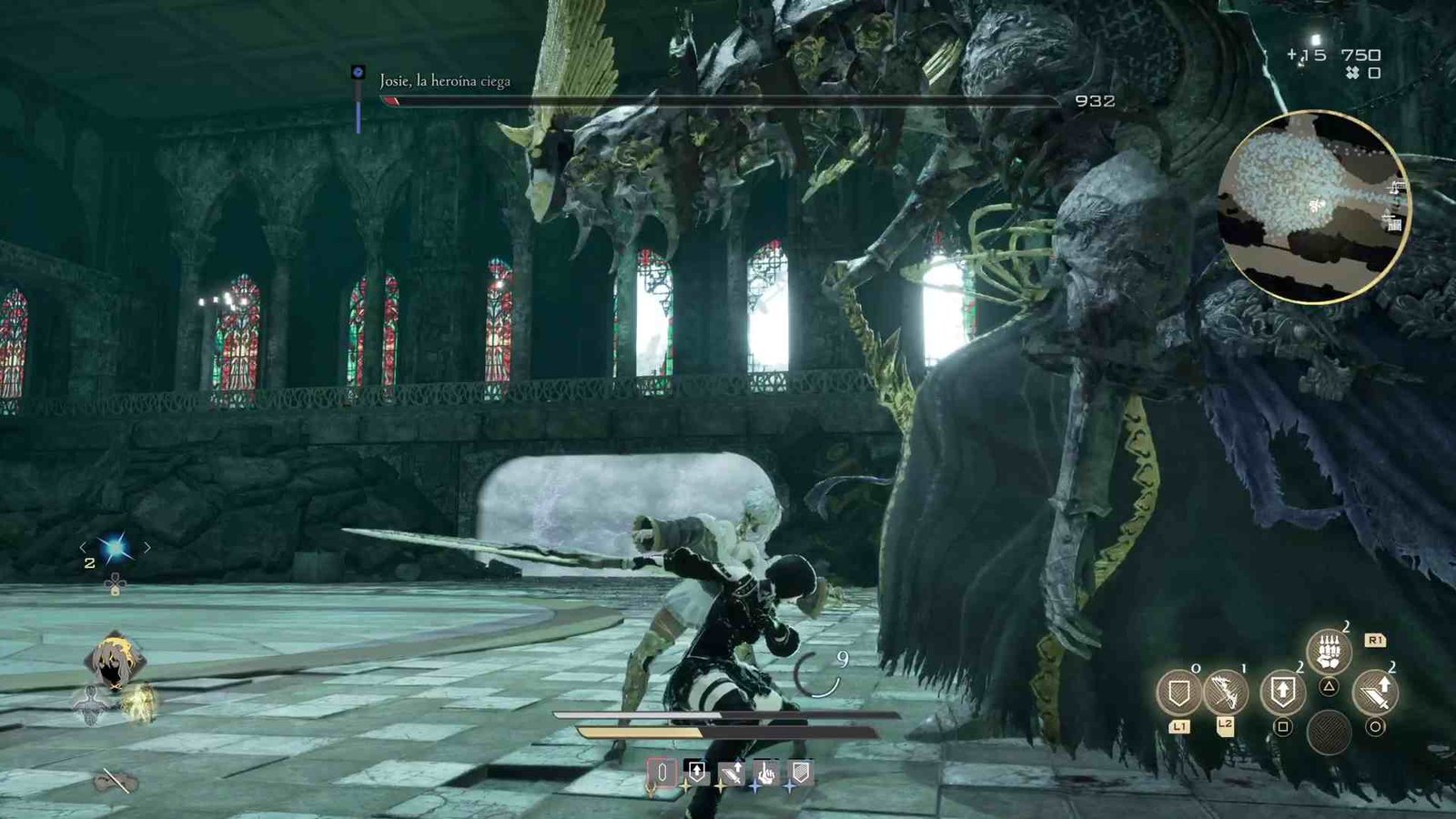
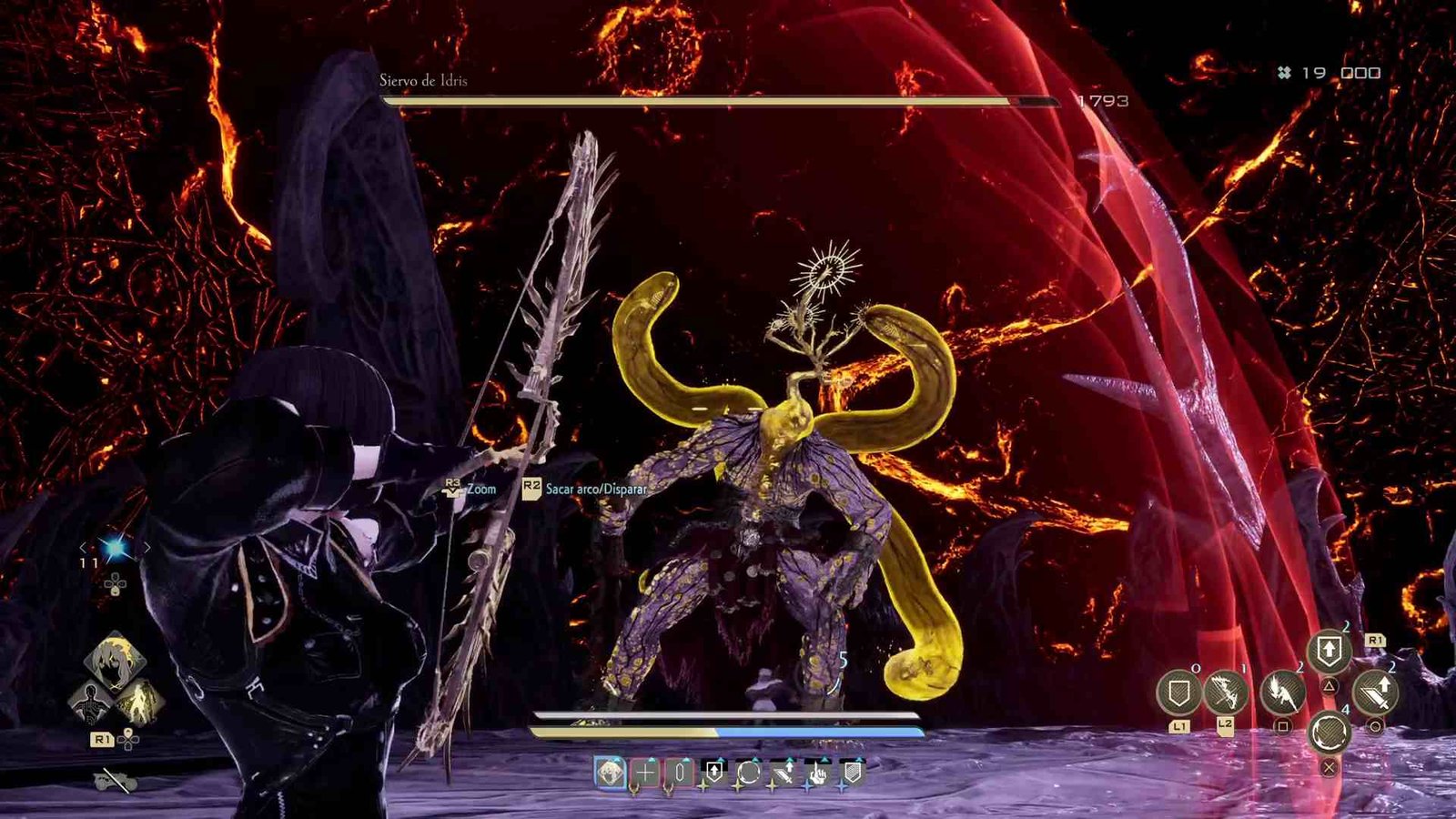
CODE VEIN II demands perseverance, akin to mastering FromSoftware games. Misery, here, is presented positively: relentless trials against formidable bosses spark satisfaction. Rather than frustration, beating seemingly insurmountable bosses through varying gear or strategy switches adds to the pleasure. Unlike others, CODE VEIN II avoids making bosses insurmountable, even when significantly leveling up or upgrading gear, though grinding helps with preparedness.
Obtain highly potent weapons and apply multiple upgrades, and challenges will seem less daunting. Though increasing difficulty progressively, the game feels simpler after initial 15-20 hours, promoting recovery upgrades and adaptability. Nevertheless, gigantic entities may occasionally disrupt tranquility with one-hit defeats. Despite these abrupt challenges, Code Vein II maintains balanced difficulty. Companion support is crucial for sustenance or reviving, alleviating the solo burden of saving humanity. At times, however, they might obstruct bow shots.
Combat mechanics are straightforward yet effective, emphasizing primary weapons while utilizing equipment strategically. Managing stamina, used for dodging, weapon, and action energy, ensures effective battle tactics. Though minor, differences in attack rhythm improve engagement, making it less robotic than before.
A Rebellious Teen’s Anime Adventure
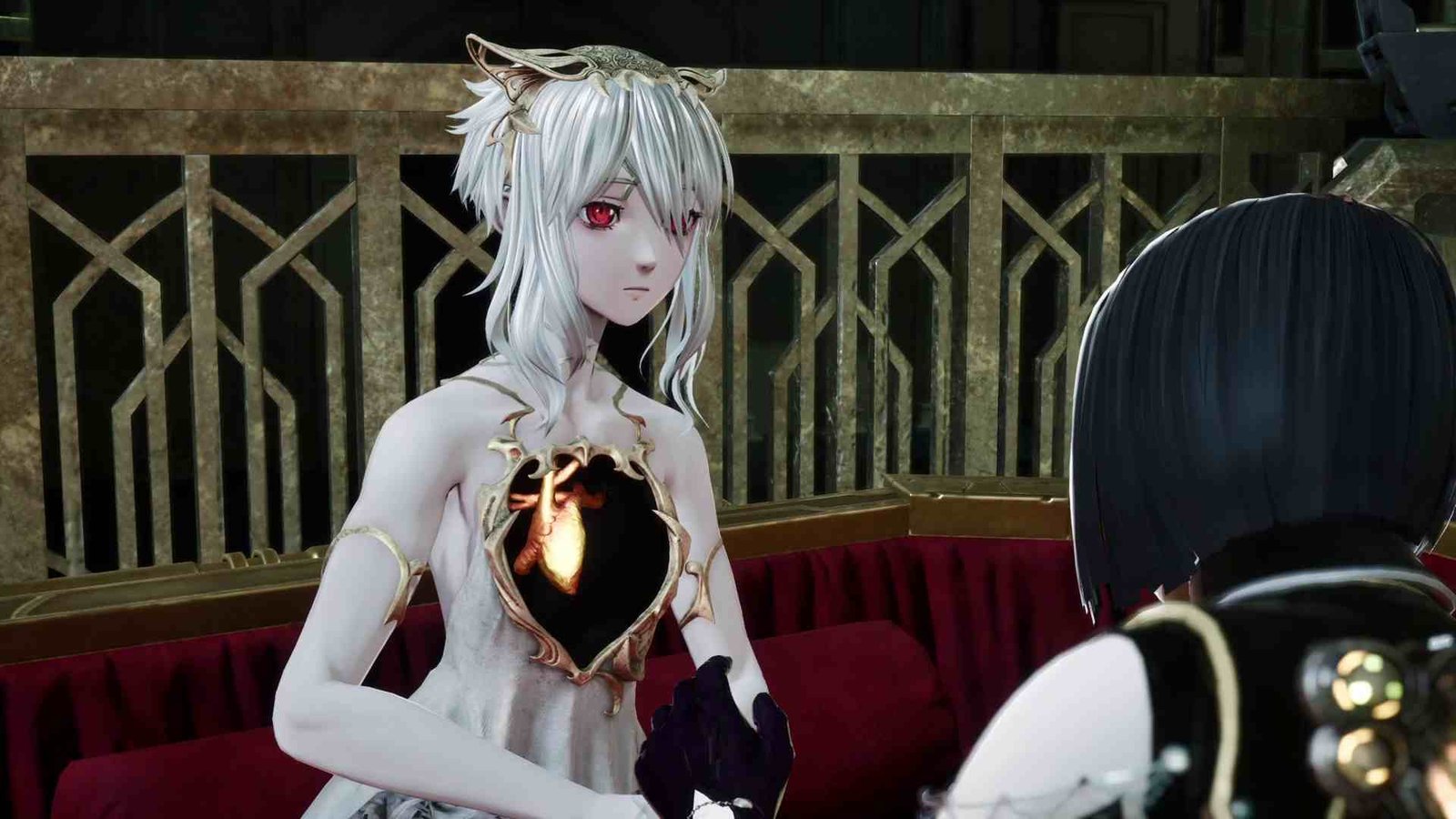
CODE VEIN II adheres to its edgy style, a melding of negative emotions, violence, and stylish attire enveloped in a complex narrative. A universe adorned in blue tones, humanoid foes, and waifus persists despite waning enchantment. Although its art direction is commendable, retraining allure, while the visual quality fulfills its purpose, distilling despair beautifully. Despite utilizing Unreal Engine 5 for new-generation platforms, texture and lighting enhancements would be welcome.
Game performance was generally satisfactory across offered modes, although graphical hitches surfaced during foe concentrations. Fortunately, these were sporadic, leaving PlayStation 5 performance smooth overall, based on my experience. The audio department delivers moody ambiance enhancing eerie settings, with some battle tracks standing out.
Is Code Vein Redeemed?
Bandai Namco’s efforts revive the franchise with CODE VEIN II, an action RPG addressing past follies and learning from prior experiences. Final judgments align towards a title that refrains from diverging from its roots, offering a beginner-friendly take on the souls-like genre with challenges sustained enough for prolonged engagement — particularly attractive if seeking comprehensive coffer exploration and upgrades.
CODE VEIN’s return is neither triumphant nor innovative but strives towards redemption, fixing foundational faults once prevalent. This step sets groundwork for future expansion. Exploring mirrored realms centuries apart provides interest, despite cliché, effectively weaving an engaging, digestible narrative. Likewise, captivating characters incite moral quandaries and conjecture concerning the universe’s future. Applying acquired experiences potentially aids in Code Vein’s evolution, paving paths diverging from conventional comparisons — the potential exists.
For first-timers intrigued by the genre or anime affinity, Code Vein II isn’t a bad inaugural step. What do you think? Is it a viable path into this tear-and-anguish-laden road? Share your thoughts below.
CODE VEIN II launches on January 30 on PlayStation 5, Xbox Series X|S, and PC via Steam. Stay tuned with LEVEL UP.






Post Comment